How NFTs Are Expanding Beyond Digital Art Into Real-World Utility (2026)

NFT Utility Comparison Table
| Use Case Sector | Key Onchain Mechanism | Core Real-World Benefit | Current Status | Primary Operational Barrier |
| Event Ticketing | ERC-721 / Dynamic QR Smart Contracts | Eliminates static counterfeit tickets, enables secondary market control | CONFIRMED | Legacy venue contract lock-ins, user wallet onboarding complexity |
| Brand Loyalty Programs | Non-Fungible / Semi-Fungible Loyalty Credentials | Interoperable perks, cross-brand partnerships, tradeable rewards | PILOT / CONFIRMED | Legacy database integration, user friction with Web3 mechanics |
| Digital Identity & Credentials | Soulbound Tokens (SBTs) & Verifiable Credentials | Tamper-proof educational, professional, and access verification | EMERGING | Public ledger privacy constraints, evolving data protection laws |
| Physical Product Authentication | NFC/RFID Chip + Onchain Digital Twin | Verifiable physical product provenance, anti-counterfeiting | CONFIRMED | Hardware-to-software physical detachment risks, scaling tag costs |
| Tokenized Real-World Assets (RWA) | Fractional / Unique Asset Tokens | Liquidity for illiquid assets, verifiable ownership claims | EMERGING | Cross-border legal enforceability, complex securities regulation |
| In-Game Assets & Cosmetics | Interoperable Game Tokens | True player asset control, open secondary marketplace trading | PILOT / EMERGING | Game balance risks, player resistance to monetization mechanics |
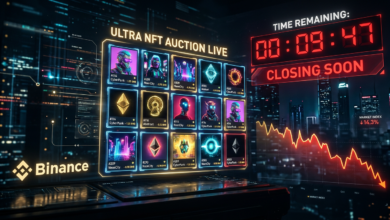
During the 2021–2022 market expansion, non-fungible tokens (NFTs) were primarily recognized as digital art collectibles, speculative profile pictures (PFPs), and high-profile auction items. However, relying solely on speculative visual assets exposed structural vulnerabilities when trading volumes adjusted.
The underlying infrastructure of non-fungible tokens—verifiable digital scarcity, programmable logic, and open-ledger proof of ownership—has fundamentally evolved. The conversation around Web3 technology has shifted from speculative valuation toward practical deployment. Modern enterprise applications focus on NFT utility: using blockchain-based tokens as infrastructure for ticketing, loyalty systems, identity credentials, supply chain authentication, and tokenized real-world assets (RWAs).
What Is an NFT?
A Non-Fungible Token (NFT) is a unique, blockchain-based cryptographic identifier recorded on a distributed ledger. Unlike fungible cryptocurrencies (such as Bitcoin or Ether), where every unit is identical and interchangeable, each NFT possesses unique metadata and a distinct token ID that sets it apart from any other token on the network.
Crucial Distinctions: Token Ownership vs. Legal Rights
Understanding the legal scope of an NFT requires separating the digital token on a blockchain from the asset or entitlement it references:
-
Token Ownership: Holding an NFT means your cryptographic wallet address controls the specific onchain record logged in the smart contract.
-
Digital & Intellectual Property Rights: Owning an NFT does not automatically convey copyright, trademark, or commercial IP rights to the associated media unless explicitly granted through a legal contract or license agreement.
-
Access Rights: An NFT often acts as a digital key, granting the holder permission to access a software feature, physical venue, digital community, or service.
-
Legal Ownership of Real-World Assets: Tokenizing a physical object (like real estate or luxury goods) creates an onchain digital record. However, legal ownership of the physical asset depends entirely on valid offchain legal structures (such as special purpose vehicles, trusts, or custodial contracts) that link the token to enforceable legal title.
Why NFT Utility Is Becoming More Important
The transition from digital art speculation to structural application is driven by a shift in consumer and enterprise expectations:
┌─────────────────────────────────────────────────────────────────────────┐
│ Historical Speculation Era (2021–2022)                                  │
│ Focus: "What does this digital image look like, and what is its price?" │
└─────────────────────────────────────────────────────────────────────────┘
                                     │
                                     ▼
┌─────────────────────────────────────────────────────────────────────────┐
│ Modern Utility Era                                                      │
│ Focus: "What functionality, access, or rights does holding this token   │
│         grant me across digital and physical environments?"             │
└─────────────────────────────────────────────────────────────────────────┘
Modern organizations utilize NFTs for structural reasons:
-
Verifiable Authenticity: Public ledgers establish immediate, audit-proof validation without relying on single-point centralized databases.
-
Programmable Rules: Smart contracts execute secondary transfer conditions, access restrictions, and automated royalty allocations programmatically.
-
Interoperability: Open blockchain standards allow third-party developers, venues, and partner brands to recognize and reward a token holder without needing direct backend database access.
The Most Important Real-World NFT Use Cases
1. Memberships and Access
Token-gated access replaces traditional login systems, usernames, and physical membership cards. Holding a specific NFT in a Web3 wallet unlocks access to private software tools, digital content, physical clubhouses, or VIP experiences. Because tokens exist on public ledgers, third-party partners can offer perks to members without building costly custom software integrations.
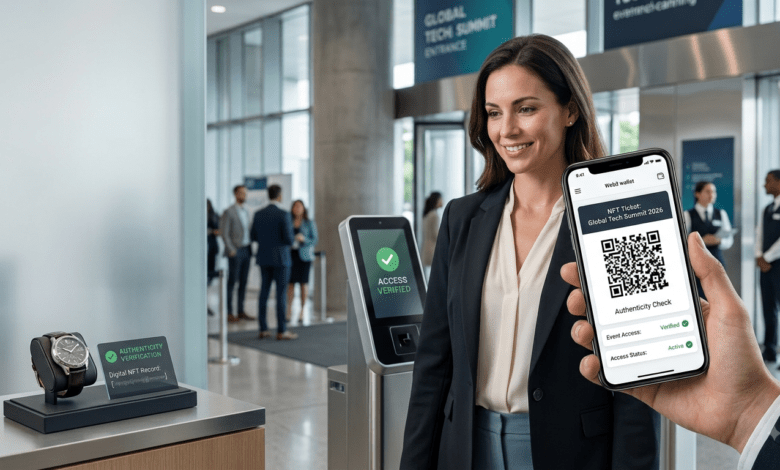
2. Event Ticketing
Traditional event ticketing suffers from scalping, counterfeit dynamic QR codes, opaque secondary markets, and high platform fees.
┌─────────────────────────────────────────────────────────────────────────┐
│ 1. Minting: Event issuer mints programmable NFT tickets onchain         │
├─────────────────────────────────────────────────────────────────────────┤
│ 2. Distribution: Ticket delivered directly to attendee's wallet app     │
├─────────────────────────────────────────────────────────────────────────┤
│ 3. Entry Validation: Scanner verifies rotating dynamic QR code via NFC   │
├─────────────────────────────────────────────────────────────────────────┤
│ 4. Post-Event Utility: Used ticket converts into collectible access pass │
└─────────────────────────────────────────────────────────────────────────┘
-
Anti-Counterfeiting: Blockchain verification prevents ticket duplication. Dynamic entry verification (such as rotating Bluetooth or NFC keys) stops static screenshot fraud.
-
Secondary Market Control: Smart contracts can enforce price ceilings or direct secondary royalties back to artists and venue operators.
-
Post-Event Engagement: Used tickets remain in user wallets as verifiable digital memorabilia, serving as access passes for future ticket pre-sales or exclusive merchandise drops.
3. Loyalty Programs
Traditional loyalty points remain locked inside proprietary, siloed brand databases. Customers cannot transfer points, combine rewards across ecosystem brands, or retain long-term value if a corporate program changes terms.
NFT-based loyalty credentials introduce verifiable ownership to brand engagement. Customers earn, trade, or unlock tiered benefits—such as priority customer service, exclusive product drops, or partner brand discounts—represented as interoperable digital badges.
4. Gaming
In conventional video games, players spend money on in-game cosmetics, skins, and characters, but the game publisher retains absolute technical ownership. If the game server shuts down, the player loses their items.
NFTs allow games to issue in-game items on open blockchains. Players gain true digital custody of their assets, allowing them to trade items on open secondary marketplaces, use them across compatible game titles, or preserve them independently of game servers.
5. Digital Credentials
Digital identity frameworks utilize non-transferable NFTs (often referred to as Soulbound Tokens or SBTs) to issue verifiable credentials. Educational institutions, professional certifying bodies, and event organizers can issue permanent onchain records of degrees, certifications, and event attendance (such as Proof of Attendance Protocols, or POAPs) directly to a user’s wallet.
6. Physical Product Authentication
Brands combat gray-market reselling and physical counterfeiting by linking physical items to digital twin NFTs using encrypted NFC tags or RFID microchips.
┌─────────────────┐       ┌─────────────────┐       ┌─────────────────┐
│ Physical Goods  │ ────> │ Encrypted NFC   │ ────> │ Blockchain      │
│ (Luxury Watch,  │       │ Microchip       │       │ Digital Twin    │
│ Designer Goods) │       │ (Scanned via    │       │ (Proves Origin  │
│                 │       │ Smartphone)     │       │ & Ownership)    │
└─────────────────┘       └─────────────────┘       └─────────────────┘
Scanning the physical item’s embedded chip with a smartphone pulls up its cryptographic digital twin onchain. This process confirms authenticity, ownership history, repair records, and manufacturing origin.
7. Real-World Asset (RWA) Tokenization
Real-world asset tokenization represents physical assets—such as commercial real estate interests, private credit agreements, fine art, or treasury bills—as onchain digital tokens.
While fungible tokens represent divisible assets (like fractional real estate funds), NFTs are used to represent distinct, non-fungible assets like specific property deeds, individual loan notes, or unique physical commodities. Tokenization increases transaction speed, reduces reliance on manual intermediaries, and enables automated compliance checks via smart contracts.
8. Brand Engagement
Global brands deploy utility NFTs to deepen customer relationships:
-
Automotive Brands: Issuing digital twin NFTs alongside vehicle purchases to serve as verified digital service passports, tracking maintenance records and performance modifications onchain.
-
Apparel & Fashion Houses: Releasing physical garments paired with digital apparel NFTs designed for virtual avatars and digital environments.
9. Travel and Hospitality
Airlines and luxury hotel groups explore NFTs as digital travel passes and premium tier status credentials. An NFT-based flight pass or hotel membership can be held in a digital wallet, unlocking lounge access, room upgrades, or partner amenities across partner travel networks automatically.
10. Certificates and Public Records
Governments and enterprise organizations evaluate blockchain ledgers for recording public records, business permits, vehicle titles, and land registries. Recording ownership transfers on open or permissioned ledgers minimizes paperwork fraud, reduces processing delays, and creates transparent public audit trails.
11. Community Governance Credentials
Web3 communities and Decentralized Autonomous Organizations (DAOs) use NFTs as voting badges and governance passes. Unlike token-weighted governance (where whales can buy controlling influence with fungible tokens), NFT governance can assign voting power based on identity, membership tier, or demonstrated community contribution.
12. Phygital NFTs
“Phygital” products bridge the physical and digital retail experience. Purchasing a physical product unlocks an exclusive digital asset—or redeeming a digital NFT burns the token onchain to deliver a physical product to the user’s door.
Real-World NFT Utility Examples
| Project / Company | Industry | NFT Utility | Current Status | Primary Operational Focus |
| Ticketmaster / Live Nation | Ticketing & Events | NFT-based commemorative passes and token-gated ticket access | CONFIRMED | Post-event engagement, VIP fan perks, ticket anti-scalping research |
| Nike (.SWOOSH) | Apparel & Gaming | Digital apparel, co-creation access, physical product redemptions | CONFIRMED | Blending physical sneaker drops with digital avatar collectibles |
| Lufthansa Group | Travel & Aviation | Web3 loyalty cards (Uptrip), turning flight passes into rewards | CONFIRMED | Gamified airline loyalty rewards and flight souvenir collection |
| Courtyard.io | Real-World Assets | Physical sneaker and card vaulting linked to tradeable 1:1 NFTs | CONFIRMED | Instant physical asset trading backed by secure physical custody vaults |
| UEFA | Sports & Ticketing | Blockchain-backed mobile ticketing systems for major tournament entry | CONFIRMED | Eliminating counterfeit tickets and managing venue access control |
Detailed Case Studies
Case Study 1: Enterprise Event Ticketing & Fan Verification
-
The Original Problem: Traditional primary ticketing platforms face scalping bots, counterfeit PDF/QR tickets on secondary markets, and difficulty maintaining fan engagement after an event ends.
-
The NFT-Based Approach: Ticketing platforms issue event entry passes as smart contract tokens on low-cost Layer-2 networks. Entry validation relies on dynamic, rotating cryptographic QR codes generated inside a user’s smartphone app.
-
Customer & Business Benefit: Fans receive guaranteed authentic entry passes, while event organizers program secondary resale price caps and collect automated royalties on resales. After the event, holding the stub token grants exclusive access to merchandise discounts or early-bird tickets for future tours.
-
Primary Limitation: Venue integration requires upgrading scanning hardware, and non-crypto-native attendees require invisible wallet onboarding via email or social logins.
Case Study 2: Physical Luxury Goods Provenance & Digital Twins
-
The Original Problem: High-end luxury watchmakers and fashion houses struggle with high-grade physical counterfeits and gray-market reselling, which damages brand equity and resale trust.
-
The NFT-Based Approach: Manufacturers embed encrypted NFC chips into physical items during production. Scanning the chip pulls up a unique, non-duplicable digital twin NFT stored on a public blockchain.
-
Customer & Business Benefit: Buyers can instantly verify an item’s authenticity and ownership history prior to purchasing on the secondary market. Brands maintain a direct digital communication channel with the current owner of the physical product without requiring invasive personal identity forms.
-
Primary Limitation: If a physical item is stolen and separated from its digital wallet control, resolving legal title claims requires offchain legal intervention.
When Does an NFT Actually Make Sense?
NFT technology is not a universal substitute for standard database management. Deciding between an NFT architecture and a centralized database requires assessing operational requirements:
                  ┌─────────────────────────────────────────┐
                  │    Should You Use an NFT Architecture?  │
                  └────────────────────┬────────────────────┘
                                       │
         ┌─────────────────────────────┴─────────────────────────────┐
         ▼                                                           ▼
┌───────────────────────────────────┐               ┌───────────────────────────────────┐
│         Use an NFT When:          │               │      Use a Database When:         │
├───────────────────────────────────┤               ├───────────────────────────────────┤
│ • Cross-platform interoperability │               │ • High-volume internal processing │
│   is required                     │               │   is needed                       │
│ • Users require true digital asset│               │ • Absolute corporate data control │
│   custody                         │               │   is required                     │
│ • Open secondary market trading   │               │ • Sensitive PII (Personal Data)   │
│   adds core value                 │               │   must remain private             │
│ • Programmable secondary rules    │               │ • Simple internal points systems  │
│   are enforced transparently      │               │   are sufficient                  │
└───────────────────────────────────┘               └───────────────────────────────────┘
What Does NFT Ownership Actually Mean?
A major source of confusion surrounding utility NFTs stems from misinterpreting legal vs. cryptographic ownership rights.
┌─────────────────────────────────────────────────────────────────────────┐
│ Cryptographic Token Ownership (Onchain Wallet State)                   │
│ "I hold private key control over Token #1234 on Ethereum."              │
└─────────────────────────────────────────────────────────────────────────┘
                                    │
                                    │ (Does NOT automatically equal)
                                    ▼
┌─────────────────────────────────────────────────────────────────────────┐
│ Legal Ownership & IP Rights (Offchain Legal Contracts)                  │
│ Legal property deeds, copyrights, commercial IP, and physical title     │
│ require valid legal contracts linking the token to offchain rights.     │
└─────────────────────────────────────────────────────────────────────────┘
-
Token Ownership: Confirms cryptographic control over an entry on a blockchain ledger.
-
Intellectual Property Rights: Default NFT ownership does not transfer underlying copyright or trademark rights to the media. IP rights remain with the original creator unless explicitly transferred via a separate written license agreement.
-
Physical Title: Possessing an NFT that references a physical object does not constitute legal title to the physical object unless recognized under property law through an enforceable legal trust or custodial structure.
Legal and Regulatory Considerations
Deploying utility NFTs requires compliance with evolving regulatory standards:
-
Financial & Securities Regulation: If a utility NFT is marketed with promises of financial returns, passive income, or pooling of secondary resale profits, regulators may classify the asset as an unregistered security under frameworks like the Howey Test or MiCA (Markets in Crypto-Assets regulation in the EU).
-
Data Protection & Privacy Laws: Public blockchains are permanent and immutable. Storing Personally Identifiable Information (PII)—such as real names, addresses, or medical details—directly onchain violates global data privacy mandates like GDPR (“the right to be forgotten”). Utility platforms must store sensitive user data offchain, relying on privacy-preserving cryptographic hashes or Zero-Knowledge proofs for verification.
-
Consumer Protection: Secondary sales rules, refund policies, and anti-scalping regulations vary significantly across jurisdictions, impacting dynamic ticket pricing and fee models.
NFT Utility Challenges
Widespread enterprise adoption faces operational hurdles:
-
User Experience & Onboarding: Navigating seed phrases, wallet setups, gas fees, and network switching presents friction for non-technical consumers. Modern platforms mitigate this using account abstraction, gasless transactions, and social logins.
-
Chain Fragmentation: Tokens built on incompatible blockchains or isolated Layer-2 networks split user bases and complicate cross-platform utility.
-
Security & Key Management: If a user falls victim to a phishing exploit or loses access to their private key, their associated credentials, tickets, or access passes cannot be recovered unless recovery mechanisms are built into the smart contract.
NFT Sustainability
Concerns over the environmental impact of NFTs have been largely addressed by shifts in underlying network architecture:
-
Proof-of-Stake Transition: Major smart contract blockchains (including Ethereum) transitioned from energy-intensive Proof-of-Work to Proof-of-Stake consensus mechanisms. This shift reduced base-layer energy consumption by over 99.9%.
-
Layer-2 Efficiency: Modern utility application deployments operate primarily on Layer-2 scaling networks, drastically reducing overall computational overhead, energy usage, and network fees per transaction.
How Businesses Can Make Money With Utility NFTs
Utility NFTs enable unsustainable speculative drops to be replaced by recurring business models:
-
Primary Mint & Ticket Sales: Direct sales of utility tokens for memberships, event access, or physical product digital twins.
-
Programmable Resale Royalties: Automating secondary market transfer fees to ensure creators, event venues, or brands collect a percentage of every secondary transaction.
-
Token-Gated Subscriptions: Recurring service revenue unlocked by holding dynamic NFTs that require periodic renewal or activity checks.
-
Cross-Brand Strategic Partnerships: Monetizing partner brand access by allowing third-party sponsors to target exclusive offers directly to verified token holders.
From NFT Speculation to NFT Utility
The NFT ecosystem continues to transition along a clear infrastructure maturity path:
Digital Art Collectibles ──> PFP Speculation ──> Token-Gated Access ──> Enterprise Utility & RWA Infrastructure
This trajectory mirrors previous technological shifts: initial market hype around novel formats gives way to invisible, functional background infrastructure integrated into consumer applications.
What Could NFT Utility Look Like by 2030?
The long-term role of non-fungible tokens could evolve across three potential adoption scenarios:
-
Conservative Scenario (Niche Enterprise Tooling): NFTs remain specialized infrastructure used primarily for event ticketing, high-end luxury authentication, and Web3 gaming ecosystems.
-
Mainstream Scenario (Invisible Digital Infrastructure): The term “NFT” fades from public consumer marketing. Tokenization functions invisibly in the background as the standard digital back-end for event entry, airline loyalty points, digital identity badges, and concert passes.
-
Advanced Scenario (Universal Digital Ownership Architecture): Programmable tokens serve as global, interoperable legal and financial infrastructure, representing cross-border real-world assets, sovereign digital identities, intellectual property rights, and complex digital contracts across global markets.
FAQ
What are NFTs used for besides digital art?
NFTs are used as digital tickets, brand loyalty cards, access passes for events, physical product authentication certificates, digital credentials, in-game assets, and tokenized representations of real-world assets like real estate or luxury collectibles.
What is NFT utility?
NFT utility refers to the practical functions, access rights, real-world value, or digital capabilities that an NFT grants to its holder, moving beyond speculative visual art into actionable usefulness.
Can NFTs be used as tickets?
Yes. Organizations use NFT tickets to eliminate counterfeit physical or static digital passes, enforce secondary market price caps, and provide post-event digital memorabilia and rewards to attendees.
Can an NFT represent real-world ownership?
An NFT can represent a claim to a real-world asset, but the token itself does not constitute legal title unless backed by an enforceable legal contract, trust structure, or regulatory framework linking the digital token to the physical asset offchain.
How are brands using NFTs?
Brands use NFTs to build digital loyalty programs, authenticate luxury physical goods with embedded NFC chips, offer token-gated product drops, and engage customers with digital apparel and collectibles.
Are NFTs useful for loyalty programs?
NFT loyalty programs offer interoperability, verified digital ownership, and tradeable rewards, allowing brands to partner across ecosystems without granting third parties access to internal customer databases.
Are NFTs still relevant in 2026?
Yes. While speculative trading volumes for digital artwork have adjusted, the underlying technology has matured into backend infrastructure for ticketing, brand engagement, identity, and real-world asset tokenization.
What is the future of NFTs?
The future of NFTs lies in functional background infrastructure. Rather than marketing tokens as speculative assets, applications prioritize frictionless consumer utility in digital identity, access verification, and asset management.
The evolution of non-fungible tokens marks a shift from visual speculation to functional digital infrastructure. By providing verifiable authenticity, programmable logic, and open-ledger proof of ownership, NFTs offer practical solutions for ticketing, customer loyalty, digital identity, and real-world asset management. As user experience barriers decrease and legal frameworks adjust, utility NFTs will serve as invisible, foundational infrastructure for digital ownership and access across global markets.